



Table of Content
- Why Are Pedestrian Crashes Such A Serious Risk In Florida?
- What Do Florida’s Right-of-Way and Signal Rules Mean for Pedestrians and Drivers?
- What Should You Do Immediately After A Pedestrian Accident?
- Why Do Pedestrian Injuries Often Feel Worse Days Later?
- What Injuries Are Common After a Pedestrian Crash?
- What If You Were Outside A Crosswalk?
- What If Poor Road Design, Missing Signals, Or Construction Detours Contributed?
- How Does PIP Apply When A Pedestrian Is Hit?
- What Deadlines Can Apply To A Pedestrian Lawsuit?
- Our Clients Witness Our Commitment
- What Damages Can Be Recovered After A Pedestrian Accident?
- What Mistakes Can Hurt A Pedestrian Injury Claim?
- When Can A Wrongful Death Claim Apply After A Pedestrian Crash?
- What Should You Look For When Choosing A Pedestrian Accident Law Firm?
- Why Choose Dennis Hernandez Injury Attorneys For A Pedestrian Accident Claim?
- FAQ: What Questions Do People Commonly Ask After A Florida Pedestrian Crash?
A pedestrian crash can change your life in minutes. Medical needs can escalate quickly, work can stop, and insurance calls can start before you feel steady. A Florida pedestrian accident lawyer can step in early, preserve evidence, and push back against unfair blame.
If a careless driver hits you, you may be able to pursue compensation. If a loved one died, a wrongful death claim may apply. Dennis Hernandez Injury Attorneys have recovered millions and millions for injured clients. We fight to get you paid!
FREE CONSULTATION: Call 855•529•3366. No fees unless we win!
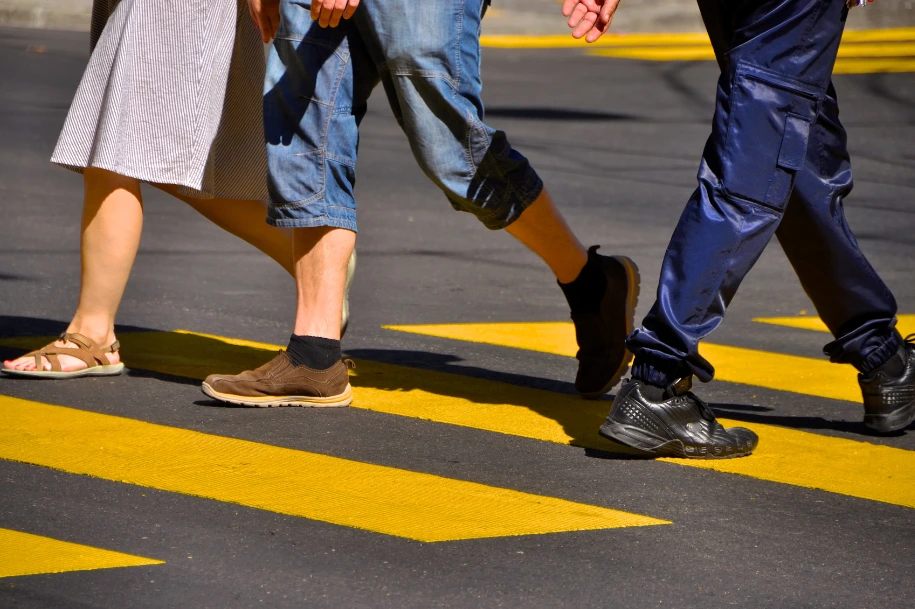
Why Are Pedestrian Crashes Such A Serious Risk In Florida?
Many severe pedestrian crashes are preventable, which underscores the need for driver awareness and caution. These incidents often occur when a driver fails to look carefully, misjudges the timing or angle of a turn, or drives too fast for the road conditions.
Risk often increases at night, especially when it is raining. Wet roads can become slippery and lead to crashes. This risk increases further near busy intersections or sharp turns, where visibility is crucial. Faded crosswalk markings can make crossing areas harder to see. Dim lighting can hide important visual cues, which increases the chance of dangerous situations.
Construction detours often force pedestrians and drivers to take new routes. This can cause confusion and increase risk. Sudden shifts in traffic patterns can significantly raise the likelihood of a crash when people are not used to the new environment or the changed traffic flow. It is crucial for everyone to remain vigilant and adapt to these changes.
This lack of familiarity can create a precarious situation for everyone involved, including motorists, cyclists, and pedestrians. It is important to address these safety concerns early. Clear signs and communication help people navigate these temporary changes.
What Causes Most Pedestrian Accidents?
In many cases, accidents happen because of simple driving mistakes. These errors often occur in high-risk areas, such as crosswalks and intersections. The most common patterns include speeding, driver distraction, and failing to yield the right of way. Understanding these mistakes helps improve road safety and reduces the risk of crashes in these areas.
Common causes include:
- Speeding on surface streets and near intersections
- Failing to yield at crosswalks or during turns
- Running stop signs or traffic lights
- Distracted driving, including texting or navigation use
- Fatigued driving and delayed reaction time
- Impaired driving from alcohol or drugs
- Unsafe driving in residential areas and near school
Some crashes also involve visibility and design issues. Poor lighting reduces detection distance. Faded markings reduce driver awareness. Detours can push pedestrians into unplanned crossing points. These facts matter because liability often turns on what a driver should have perceived with reasonable attention at a safe speed.
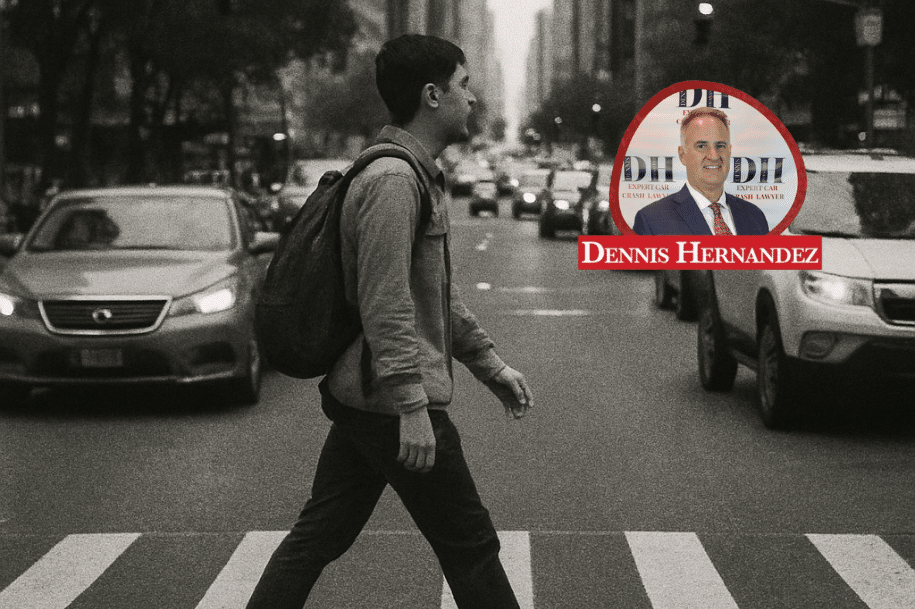
What Do Florida’s Right-of-Way and Signal Rules Mean for Pedestrians and Drivers?
Right-of-way disputes decide many pedestrian cases. Insurance companies often try to simplify the issue. They frame it as, “The pedestrian crossed at the wrong time.” This oversimplification misses important factors, including the driver’s speed, attention, and turning decisions. Each of these factors can create the conditions for a collision.
Florida’s traffic signal law treats traffic signals as binding rules. These rules guide how drivers and pedestrians behave on the road. The law explains what drivers must do. It also explains how pedestrians should proceed when they have a green signal. In practice, it connects pedestrian movement to the signals in effect, helping both drivers and pedestrians understand their rights and duties in different traffic situations.
Florida law also addresses pedestrian conduct when crossing outside marked or unmarked crosswalks at intersections. Pedestrians crossing outside of crosswalks usually must yield to vehicles. They also generally cannot cross between nearby signalized intersections unless a marked crosswalk exists. These details frequently appear in defense arguments, and they are also where careful evidence work can prevent unfair blame.
When a driver turns across a pedestrian’s path, turning laws can affect responsibility. Rules on turning position and method can matter when a vehicle cuts the corner, turns too tightly, or turns from the wrong lane. Left-turn yield rules often come up in reconstruction and fault narratives, especially when a driver says they “didn’t see” the pedestrian.
What Should You Do Immediately After A Pedestrian Accident?
Taking those first steps is very important. It helps protect your health and strengthens your claim. Prioritize your well-being throughout the process. Focus on practical safety measures that reduce risk and protect your position.
It is also important to keep thorough documentation of what happens and when it happens. Make a deliberate effort to avoid mistakes that are easy to prevent. The time and attention you invest now can protect you later.
Call 911 and seek medical attention, even for “minor” symptoms
- Get the officer’s name and report number, and the driver’s license and insurance details
- Photograph the scene, signals, vehicle damage, and visible injuries, if it is safe
- Collect witness contact information, and note nearby cameras or doorbells
- Avoid arguing fault, and keep statements factual and minimal
Early documentation is crucial because many key details can change quickly. For example, video footage can be overwritten or lost. Temporary signs may be moved. Construction barrels can shift, and skid marks can fade. Capturing these details early helps preserve accurate records and reliable evidence.
Why Do Pedestrian Injuries Often Feel Worse Days Later?
Delayed symptoms are common because adrenaline can mask pain, and swelling often builds over time. Signs of a head injury can appear later, including headaches, nausea, confusion, and light sensitivity. Neck and back symptoms can also worsen over several days. Soft tissue injuries may not show clearly on early imaging, but they can still limit work and daily function.
From a claims standpoint, consistent care matters. Insurance adjusters often look for treatment gaps to argue the injury was not serious or was not caused by the crash. A clear medical timeline makes that argument harder.
What Evidence Usually Proves Fault In A Pedestrian Claim?
Strong cases are built on proof that people can check, not assumptions. The main goal is to show what happened during the incident. We will explore the reasons behind it and explain how these reasons led to the injuries that those involved suffered.
Common evidence includes crash reports, video footage, witness statements, time-stamped photos, scene measurements, and lighting conditions. Medical records, imaging, and treating provider notes are also critical, especially when insurers challenge causation or permanency.
What Injuries Are Common After a Pedestrian Crash?
Pedestrian injury patterns often reflect impact height, vehicle speed, and secondary impact mechanics. Common injuries include:
-
Traumatic brain injury (TBI): A TBI occurs when a blow or jolt disrupts normal brain function. A concussion is a mild TBI, but symptoms can still be serious. Common symptoms include headaches, dizziness, confusion, memory problems, and light sensitivity.
-
Facial fractures and dental injuries: Facial fractures are broken bones in the face. They often involve the jaw, nose, cheekbones, and eye sockets. These fractures can affect breathing, vision, and how the teeth fit together. Dental trauma can include cracked teeth, avulsions, and jaw alignment problems that complicate eating and speech.
-
Spinal injuries, including disc damage and nerve symptoms: Spinal injuries range from disc disruption to spinal cord injury. A herniated disc can press on nerves, which can cause pain, numbness, tingling, or weakness. Many cases improve within four to six weeks with conservative care.
-
Pelvic and hip fractures: These injuries often require surgery and lengthy rehabilitation. Pelvic fractures can involve major blood vessels and can cause life-threatening bleeding, especially in high-energy trauma.
-
Lower extremity fractures, including tibia, fibula, ankle, and knee injuries: These fractures can cause serious mobility loss and long recovery times. They often require surgery if the fracture is unstable or affects a joint. Open tibial fractures are especially complex because infection risk rises when bone and tissue are exposed.
-
Internal injuries and bleeding that may require urgent testing and monitoring: Internal bleeding occurs when blood collects inside the body, often after blunt-force trauma. Severe cases can be life-threatening even when the skin looks uninjured. The Red Cross emphasizes that internal bleeding can be life-threatening after traumatic impact.
Trauma research indicates that uncontrolled bleeding is a major preventable contributor to early deaths. Emergency teams use rapid imaging, frequent vital sign checks, and close monitoring when internal injuries are suspected.
-
Soft tissue injuries that cause chronic pain and functional loss: Soft tissue injuries can affect muscles, ligaments, tendons, and fascia. They may not show clearly on early imaging, even when symptoms are real and limiting. They can also evolve into long-term pain conditions that interfere with sleep, work, and mobility.
-
Psychological injuries, including anxiety, sleep disruption, and fear of driving or walking: Psychological injuries can include stress reactions, depression, and post-traumatic stress symptoms. These symptoms may include hypervigilance, avoidance, nightmares, and sleep disruption. These effects can also reinforce pain and reduce daily function.
Serious injury evaluation is not only medical, it is also legal. In many Florida motor vehicle cases, non-economic damages, such as pain and suffering, often depend on the statutory “serious injury” threshold, which can include permanency, significant scarring, or death.
What If You Were Outside A Crosswalk?
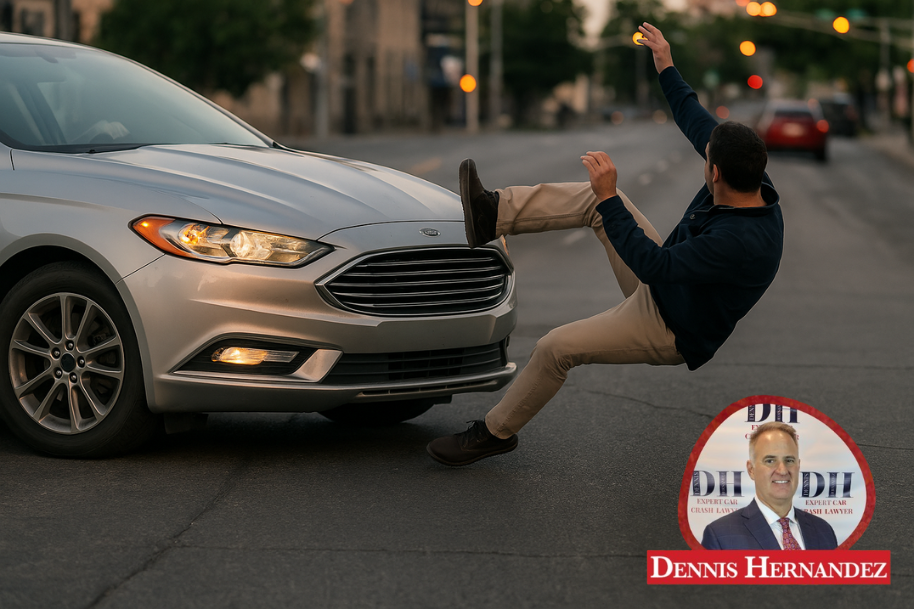
A car crash can cause a common fear. People worry about what happens next and how insurance companies will respond. Insurers frequently pay close attention to this aspect. It’s important to know that being outside a crosswalk does not stop you from filing a claim. However, it can indeed heighten the arguments surrounding comparative fault, potentially complicating the claims process.
In this context, the significance of evidence cannot be overstated. Speed, lighting, distractions, reaction time, and braking choices are all important. They help decide if the driver had enough time and space to avoid the crash. Analyzing these elements can provide valuable insights into the circumstances surrounding the incident and help establish accountability.
What If A Truck Or Commercial Vehicle Hit You?
Commercial pedestrian crashes frequently necessitate a more thorough investigation to uncover the underlying factors involved. In many cases, the driver might have been doing work-related tasks when the incident happened. This could bring up employer policies. Additionally, it is important to consider that multiple parties may share responsibility for the accident.
In many cases, companies react quickly to incidents. They may try to shape the story from the start. To ensure a fair and accurate view of events, it is important to keep video footage. We should also gather witness accounts and collect any vehicle-related evidence quickly. Taking these steps can significantly impact the outcome and effectiveness of any subsequent investigations or claims.
What If Poor Road Design, Missing Signals, Or Construction Detours Contributed?
Some crashes are influenced by factors that extend beyond just driver behavior. For example, missing or unclear signs, blocked sidewalks, bad crossing areas, and detours can push pedestrians into traffic. This greatly raises the risk of accidents and puts their safety in danger.
If a government entity gets involved, special rules may apply, including notice requirements and limits on damages. Early investigation is critical in these cases because conditions can change fast and public entity timelines can be strict.
How Does Comparative Fault Affect Pedestrian Compensation In Florida?
In the state of Florida, the legal system employs a comparative fault approach in numerous negligence cases. This means that a jury has the authority to assign fault percentages to various parties involved in the incident. If the injured person is partly to blame, it can affect how much money they get. Their share of responsibility can reduce the total amount of damages awarded.
One major risk is the defense overreaching and trying to place most of the blame on the pedestrian. Clear evidence on speed, visibility, timing, and driver attention helps counter that effort.
How Does PIP Apply When A Pedestrian Is Hit?
Personal Injury Protection (PIP) can offer early benefits in some pedestrian cases. However, the amount of these benefits depends on the specific policies and details of the crash. In many cases of serious injuries, PIP is often the first layer of coverage. More compensation may be available through other options as the situation develops.
In addition to standard coverage options, other types of insurance can play a significant role in your overall protection. This includes the driver’s bodily injury liability coverage and uninsured motorist coverage. These can be very important based on your situation and what is available nearby.
To understand your policies better, it’s smart to have a lawyer look at your insurance policies early. This can help prevent misunderstandings. This proactive approach can help prevent harmful disputes related to timelines and coverage gaps.
When Can You Recover Pain And Suffering Damages?
In many Florida motor vehicle cases, non-economic damages depend on meeting the serious injury threshold. Medical evidence often drives this issue, especially when permanency, significant scarring, or other qualifying findings are involved.
Insurance companies often challenge permanency in injury claims. Addressing those challenges starts with consistent treatment and clear documentation. Specialist input can also strengthen the medical support for permanency when it is appropriate.
What Deadlines Can Apply To A Pedestrian Lawsuit?
Deadlines can ultimately bring a case to a close, even when liability appears to be evident and straightforward. In many negligence and wrongful death cases throughout Florida, there are strict time limits that must be adhered to. It is also important to know that evidence can disappear over time. This makes it even more necessary to act quickly.
Before the deadline, an early legal review is crucial. It keeps different options open for your case. It also ensures you know the right deadlines related to the facts. Additionally, it secures important evidence that is time-sensitive.
This encompasses a variety of crucial elements, including video recordings and witness testimonies. These types of evidence are important in your legal case. They can strongly support your argument and affect the final decision.
What If The Driver Fled Or Had No Insurance?
Hit and run crashes create extra hurdles, but victims often still have options. Report the crash immediately, ask about nearby video sources, and write every detail you remember about the vehicle.
Next, it is important to take some time to look at the different coverage options available to you. One important type of coverage to think about is uninsured motorist coverage. This can really help in some situations. This coverage is very important if you have an accident with a driver who is unknown or uninsured.
The specifics of this coverage can vary significantly based on a number of factors. These differences are mainly affected by the terms in your policy. They also depend on your unique daily situations.
How Do Our Clients Witness Our Commitment?
We achieve outcomes through empathy, insight, and steadfast dedication. Our commitment to our clients is evident as we answer their calls around the clock, visit them in medical facilities, and fervently advocate for the compensation they rightfully deserve, along with various other efforts. Below are a few examples of unsolicited testimonials we’ve gathered from clients in Florida:
”
Client Testimonials
“Everyone at Dennis Hernandez has been very helpful. Since this is my first time having to see a lawyer for a car accident, they have been so instrumental in helping me understand the whole process of my case. I would recommend anyone in this situation to come and speak with a lawyer here. Thank you all for everything!”
– Kimberly R.
”
Client Testimonials
“My sister was involved in a vehicle accident during the 1st day of her work visit in 2017. While not knowing anyone in Florida and, my sister being a badly hurt, non english speaking foreigner residing in a different country without ability to be present, her case was somewhat lengthy and complex to handle. I believe choosing the law firm of Dennis Hernandez Associates P.A. over others to represent her was the right move.”
– Peter T.
”
Client Testimonials
“Dennis Hernandez’s team were great, their whole staff was very helpful and patient with me after I was involved in an accident. They answered all of my questions and closed the case much quicker than I expected. This was my first time needing to hire an attorney, and I’m glad I chose them.”
– Meli H.
”
Client Testimonials
“We would like to thank the office of Dennis Hernandez and associates for assisting us with our accident case. Dennis Hernandez staff could not have been any nicer. It made a tough time better and we thank everyone for their kindness and professionalism throughout the entire time. We highly recommend their services.”
– Ida K.
”
Client Testimonials
“I love them. They really care about my problems after my crash. I had dropped another lawyer before going to them and they made me feel good. Their team worked hard to get me what I needed and I am grateful for that. Couldn’t be any happier. Thanks!”
– J.T.
”
Client Testimonials
“I would 100% recommend this firm! Dennis Hernandez & Associates were excellent! They were extremely responsive and very informative every step of the way. They put my mind at ease during this stressful time. I couldn’t have asked for a better team! Thank you both!”
– Sara V.
”
Client Testimonials
“This is an incredible team of lawyers. Dennis is brilliant and he will attack every point the defense uses against you and he will make them look silly, his trial skills are better than TV. I would be happy with any of the lawyers separately, any day, any case, but together they are unstoppable. If you are hurt call Dennis Hernandez and his Associates, listen to what they say, believe in their methods and they will take care of your case. If it goes to trial, they will be the best you can find. I know, because they just won my case in a huge way.”
– Michael W.
What Damages Can Be Recovered After A Pedestrian Accident?
The overall value of a legal case is significantly influenced by the quality and strength of the evidence presented. The severity of the victim’s injuries is very important. The quality of the supporting documents also matters. Usually, the damages awarded in these cases cover many factors.
These include economic losses like medical bills and lost wages. They also include non-economic losses, such as pain and suffering, emotional distress, and loss of enjoyment of life. Each of these elements contributes to the final valuation of the case.
Economic damages may include emergency care, hospital bills, follow-up treatment, therapy, future care needs, and lost wages. Non-economic damages may include pain and suffering, emotional distress, and loss of enjoyment of life. In severe cases, future care planning and expert support can become essential.
What Mistakes Can Hurt A Pedestrian Injury Claim?
Certain recurring mistakes can undermine even strong cases:
- Delaying medical care and creating documentation gaps
- Giving recorded statements too early
- Accepting quick settlements before the medical picture is clear
- Posting on social media in ways insurers can misinterpret
- Failing to document mental health symptoms in treatment records
When Can A Wrongful Death Claim Apply After A Pedestrian Crash?
Wrongful death cases follow a different legal framework than injury cases. Florida law decides who can make a claim and what damages they can get. The value of a case often depends on showing financial and emotional loss.
A careful legal review is important for families. It helps them avoid problems from missed deadlines. It also ensures that the right claim structure sets up from the start. This creates a strong foundation for their case.
How Can A Florida Pedestrian Accident Lawyer Help After A Serious Crash?
A strong claim withstands courtroom scrutiny, even if the case resolves before trial. Trial readiness often improves settlement leverage because insurers notice that a file remains organized, supported, and prepared.
A lawyer can keep evidence safe, show who is responsible, and organize medical records. They have the ability to communicate with insurers and locate suitable individuals. They can prepare for court if negotiations are unfair.
What Should You Look For When Choosing A Pedestrian Accident Law Firm?
When you look for a team that values evidence collection, ask clear and specific questions. Take time to learn how they preserve and securely store video recordings and other critical evidence. This helps you assess their professionalism and their commitment to maintaining evidence integrity.
Ask how quickly they begin an investigation. Also ask whether they use qualified experts in serious injury cases. This information helps you evaluate how thorough their process is.
It is also important to ask who will manage your case day to day, because that can shape your experience. Ask the firm to explain fees and costs in plain terms and in writing. Finally, ask how they handle fault disputes and crosswalk arguments, so you understand how they will protect your position.
Why Choose Dennis Hernandez Injury Attorneys For A Pedestrian Accident Claim?
Pedestrian cases demand a high level of urgency, meticulous organization, and compelling proof to support the claims. Our dedicated team works hard to build strong claims. We gather solid evidence, collect detailed medical records, and create a clear plan. This approach is specifically designed to withstand the pressure often exerted by insurance companies during the claims process.
Call 855•529•3366 for a FREE CONSULTATION. No fee unless we recover compensation for you.
FAQ: What Questions Do People Commonly Ask After A Florida Pedestrian Crash?
Recommended Reading
Legal Guidance in Minutes