

Table of Contents
- Why the brain is vulnerable to trauma?
- How do different parts of the brain affect symptoms?
- How do injury severity and location change outcomes?
- What are concussions and traumatic brain injuries?
- What early concussion symptoms should you watch for?
- What complications can severe brain injuries cause?
- What are common causes of traumatic brain injuries?
- What is the difference between contact and non-contact injuries?
- How do you build proof in a brain injury claim?
- What diagnostic tests and medical documentation help support a claim?
- What treatment, rehabilitation, and recovery planning might be needed?
- What should you do next after a suspected brain injury?
A brain injury can change everything, even when the scans look “normal” at first and even when you never lost consciousness. Many people feel fine after a crash, a fall, or a blow to the head, then days later they start noticing headaches, dizziness, memory gaps, sleep problems, mood swings, or a foggy feeling that does not lift. When that happens, you need medical care that takes your symptoms seriously, and you also need a legal strategy that treats your injury like the life altering event it can be.
At Dennis Hernandez Injury Attorneys, we represent Floridians who are dealing with concussions, traumatic brain injuries (TBI), brain bleeds, and other serious head injuries caused by negligence. We have recovered millions and millions for injured clients, and we bring that same drive to brain injury cases where the harm is real but often invisible. We fight to get you paid!
This page explains how brain injuries happen, what signs to watch for, what Florida law can mean for your claim, and how a Florida brain injury lawyer can help you protect your health, your time, and your financial future.
Why the brain is so vulnerable to trauma?
The brain is the control center for the body. It coordinates thought, movement, emotion, memory, and sensation. It also manages vital functions like breathing and heart rate. The brain processes a lot of information quickly. The skull protects the brain, but the brain is soft and delicate. It sits in cerebrospinal fluid, which cushions normal movement. However, this fluid cannot fully prevent injury if the head is hit or suddenly whipped forward and back.
Many people do not know that the inside of the skull is not smooth. When the brain moves quickly during an impact, it can hit rough bony surfaces. This can cause bruising, swelling, and damage to delicate nerve tissue. This is why a “jolt” can be important, even if there is no visible cut. A head injury can happen even without a direct blow to the head.
How do different parts of the brain affect symptoms?
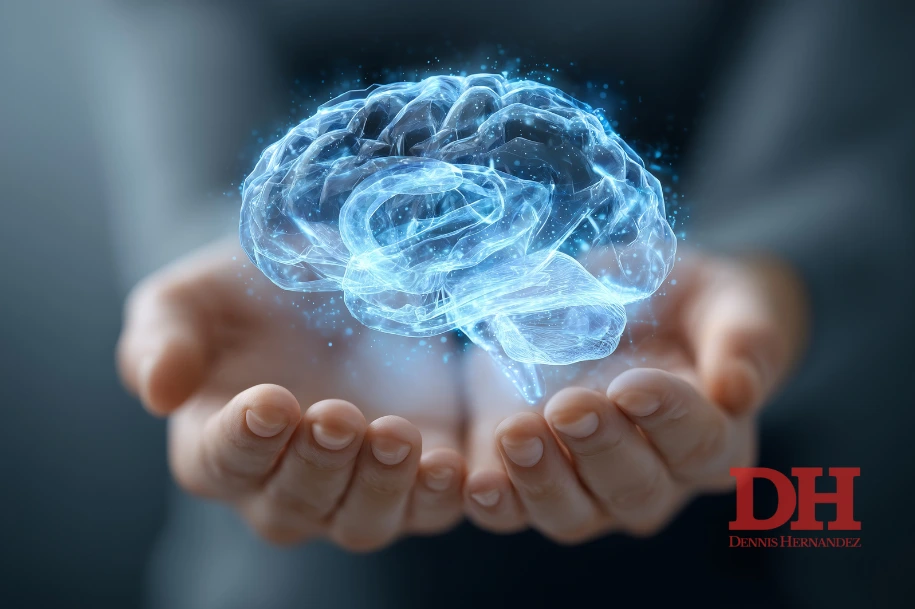
The brain is often described in three main parts, and understanding them helps explain why brain injury symptoms can look so different from person to person.
What does the cerebrum control?
The cerebrum is the largest portion of the brain, and it is involved in higher-level functions like memory, learning, language, reasoning, attention, and voluntary movement. Because it supports complex thinking and behavior, injuries to the cerebrum can affect concentration, speech, decision-making, emotional regulation, and personality, sometimes in subtle ways that grow more noticeable over time.
How can the cerebellum affect balance, coordination, and timing after a brain injury?
The cerebellum sits toward the back and lower portion of the brain, and it helps coordinate movement, balance, timing, and posture. When the cerebellum is affected, people may experience unsteadiness, coordination problems, dizziness, or difficulty performing tasks that require precise control, which can be mistaken for “clumsiness” when it is actually a neurological injury.
Why are brain stem injuries considered so serious?
The brain stem is the lower extension connecting the brain to the spinal cord, and it functions like a relay station for signals and basic life functions. Because it helps control breathing, heart rate, and wakefulness, injuries involving the brain stem can be extremely serious and may cause major neurological impairment, including profound loss of consciousness.
How do injury severity and location change outcomes?
Brain injury outcomes often depend on two major factors, which are the force of the injury and the area of the brain that is affected, and both variables can influence symptoms, treatment needs, and long-term prognosis. Some people experience a mild injury that improves steadily with rest and structured care, while others develop symptoms that interfere with work, family relationships, and everyday responsibilities for months or longer, especially when cognitive, emotional, and sleep-related issues persist.
Because head injuries can worsen if they are ignored, every head trauma should be taken seriously, particularly when there are changes in memory, attention, mood, balance, or speech, and especially when symptoms intensify after the initial incident.
What are concussions and traumatic brain injuries?
A concussion is often described as a functional brain injury caused by a blow to the head or a sudden deceleration that causes the brain to move within the skull, leading to a temporary disruption in normal brain function. Concussions are sometimes graded by severity based on factors like loss of consciousness, memory disruption, disorientation, and balance issues, and many people experience an “altered consciousness” period where they feel dazed, confused, or detached even if they never fully black out.
What early concussion symptoms should you watch for?
Early symptoms can show up immediately or shortly after the incident, and they often include dizziness, vertigo or balance disruption, nausea or vomiting, and headaches, along with confusion, sensitivity to light or noise, and difficulty focusing. Some people also notice irritability, fatigue, or a sense that the brain is “slower” than normal, especially when trying to read, work, or use screens.
What does it mean when concussion symptoms do not go away?
Even when people consider a concussion a minor injury, a head impact can lead to persistent problems that interfere with work, relationships, and quality of life, and some people experience post-concussion symptoms that linger far longer than expected. These lasting effects can include headaches, sleep disruption, lightheadedness, memory problems, depression or anxiety, ringing in the ears, reduced concentration, slower reaction time, sensitivity to loud noise, mood swings, personality changes, and difficulty finding words during normal conversation.
For many families, the hardest part is that these changes may not be visible, yet they can be deeply disruptive, and they may create tension at home because the injured person seems “different” or less able to manage stress and routine demands.
What complications can severe brain injuries cause?
Coma
In severe cases, head trauma can lead to a coma, which is a state of deep unconsciousness where the person cannot be awakened or meaningfully aroused even with strong stimulation. Coma can occur after major impacts, brain swelling, bleeding, oxygen deprivation, or other catastrophic events, and it often requires intensive care, neurological monitoring, and long-term rehabilitation planning depending on the outcome.
Amnesia and memory disruption
Amnesia is a form of memory loss that can occur after brain trauma, and it may involve difficulty remembering events, forming new memories, or recalling information from the time surrounding the injury. Anterograde amnesia generally refers to difficulty forming or retaining new memories after the injury, while retrograde amnesia refers to loss of memory for events that occurred before the injury, and either pattern can affect medical care, legal testimony, and daily functioning.
Life after a serious brain injury
When a brain injury is severe, it can dramatically disrupt a person’s ability to return to the life they lived before, particularly when the injury affects cognitive processing, mobility, or emotional regulation. Some people struggle to work at all, others return with restrictions and reduced capacity, and many families must adjust to new caregiving needs and communication challenges that were never part of their lives before the injury.
Physical effects
Severe brain injuries may lead to difficulty walking, reduced coordination, speech and communication problems, chronic headaches, reduced sensation, weakness, or other neurological deficits that affect independence and safety. Depending on the injury, a person may need occupational therapy to relearn daily tasks, physical therapy to regain movement, and assistive devices or home modifications to reduce fall risk and support mobility.
Cognitive and behavioral effects
Behavioral changes can be among the most distressing consequences of brain trauma, because they may affect how the injured person relates to their loved ones and how they handle stress, frustration, and decision-making. Possible effects include personality shifts, depression, short attention span, learning challenges, memory impairment, irritability, and difficulty with problem-solving, and these changes can create lasting impacts on employment, relationships, and overall quality of life.
Our Clients Recognize Our Dedication
We deliver results by showcasing compassion, understanding, and unwavering commitment. Our dedication to our clients is clear as we respond to their calls at all hours, visit them in medical facilities, and passionately fight for the compensation they justly deserve, among various other initiatives. Below are a few examples of unsolicited testimonials we’ve gathered from clients across Florida:
”
Client Testimonials
“Everyone at Dennis Hernandez has been very helpful. Since this is my first time having to see a lawyer for a car accident, they have been so instrumental in helping me understand the whole process of my case. I would recommend anyone in this situation to come and speak with a lawyer here. Thank you all for everything!”
– Kimberly R.
”
Client Testimonials
“My sister was involved in a vehicle accident during the 1st day of her work visit in 2017. While not knowing anyone in Florida and, my sister being a badly hurt, non english speaking foreigner residing in a different country without ability to be present, her case was somewhat lengthy and complex to handle. I believe choosing the law firm of Dennis Hernandez Associates P.A. over others to represent her was the right move.”
– Peter T.
”
Client Testimonials
“Dennis Hernandez’s team were great, their whole staff was very helpful and patient with me after I was involved in an accident. They answered all of my questions and closed the case much quicker than I expected. This was my first time needing to hire an attorney, and I’m glad I chose them.”
– Meli H.
”
Client Testimonials
“We would like to thank the office of Dennis Hernandez and associates for assisting us with our accident case. Dennis Hernandez staff could not have been any nicer. It made a tough time better and we thank everyone for their kindness and professionalism throughout the entire time. We highly recommend their services.”
– Ida K.
”
Client Testimonials
“I love them. They really care about my problems after my crash. I had dropped another lawyer before going to them and they made me feel good. Their team worked hard to get me what I needed and I am grateful for that. Couldn’t be any happier. Thanks!”
– J.T.
”
Client Testimonials
“I would 100% recommend this firm! Dennis Hernandez & Associates were excellent! They were extremely responsive and very informative every step of the way. They put my mind at ease during this stressful time. I couldn’t have asked for a better team! Thank you both!”
– Sara V.
”
Client Testimonials
“This is an incredible team of lawyers. Dennis is brilliant and he will attack every point the defense uses against you and he will make them look silly, his trial skills are better than TV. I would be happy with any of the lawyers separately, any day, any case, but together they are unstoppable. If you are hurt call Dennis Hernandez and his Associates, listen to what they say, believe in their methods and they will take care of your case. If it goes to trial, they will be the best you can find. I know, because they just won my case in a huge way.”
– Michael W.
What are common causes of traumatic brain injuries?
Traumatic brain injuries are commonly linked to vehicle crashes, falls, workplace incidents, sports impacts, and assaults, and in many cases the injuries result from forces that cause the brain to shift inside the skull rather than a direct penetration injury.
If you or someone you love has suffered a brain injury after an accident, it is important to speak with a lawyer who understands how these claims are investigated, documented, and proven, because insurance companies often challenge brain injury cases more aggressively than other injury claims.
What is the difference between contact and non-contact injuries?
Contact brain injuries
A contact traumatic brain injury involves external force to the head that damages the brain, and it can include closed head injuries, brain swelling, bruising to brain tissue, and tearing of nerve fibers. These injuries can result from sports impacts, work-related incidents, slip-and-fall accidents, vehicle collisions, and assaults, and the medical presentation can vary widely depending on the force and the area affected.
Closed head injuries
A closed head injury occurs when external force injures the brain without breaking or penetrating the skull, which means there may be no visible wound even when the internal damage is significant. Closed head injuries can be particularly dangerous because the force may affect multiple areas of the brain at once, creating widespread disruption rather than a localized injury, and this is one reason why people can have serious impairment even when they never had a dramatic open wound.
Nerve shearing and diffuse axonal injury
A violent jolt can stretch and tear delicate nerve fibers in the brain, a pattern often described as nerve shearing, and this type of damage can lead to significant cognitive, emotional, and functional changes. In some cases, nerve shearing can be difficult to confirm with early imaging, which is why careful clinical evaluation, symptom tracking, and appropriate follow-up testing can be essential, both for treatment planning and for documenting the injury in a legal claim.
Bruising, swelling, and bleeding
After a violent impact, the brain can strike the interior surfaces of the skull, which can bruise brain tissue and trigger swelling that increases pressure inside the head. As pressure rises, blood flow and oxygen delivery can be compromised, which increases the risk of worsening damage, and in severe cases swelling can become a medical emergency requiring intensive monitoring or surgical intervention.
Non-contact brain injuries
Not all brain injuries come from direct contact trauma, because the brain can also be injured when its blood supply or oxygen supply is disrupted, including situations involving stroke, cardiac events, near drowning, suffocation, or electrical shock that interferes with normal function.
How do you build proof in a brain injury claim?
Permanent or lasting brain injuries are often difficult to “see,” and many of the changes are subtle, especially early on, which is why these cases require careful documentation and a medical roadmap that captures symptoms over time rather than relying on one appointment or one scan. Behavioral shifts, fatigue, memory issues, or attention deficits can be misunderstood by outsiders, and insurers sometimes try to frame these issues as stress, aging, or unrelated mental health conditions, so the claim must be built on consistent medical notes, appropriate testing, and credible support from treating providers.
What diagnostic tests and medical documentation help support a claim?
Medical professionals use a range of tools to evaluate the severity and effects of head trauma, and the best approach depends on symptoms, clinical findings, and the suspected injury type.
MRI
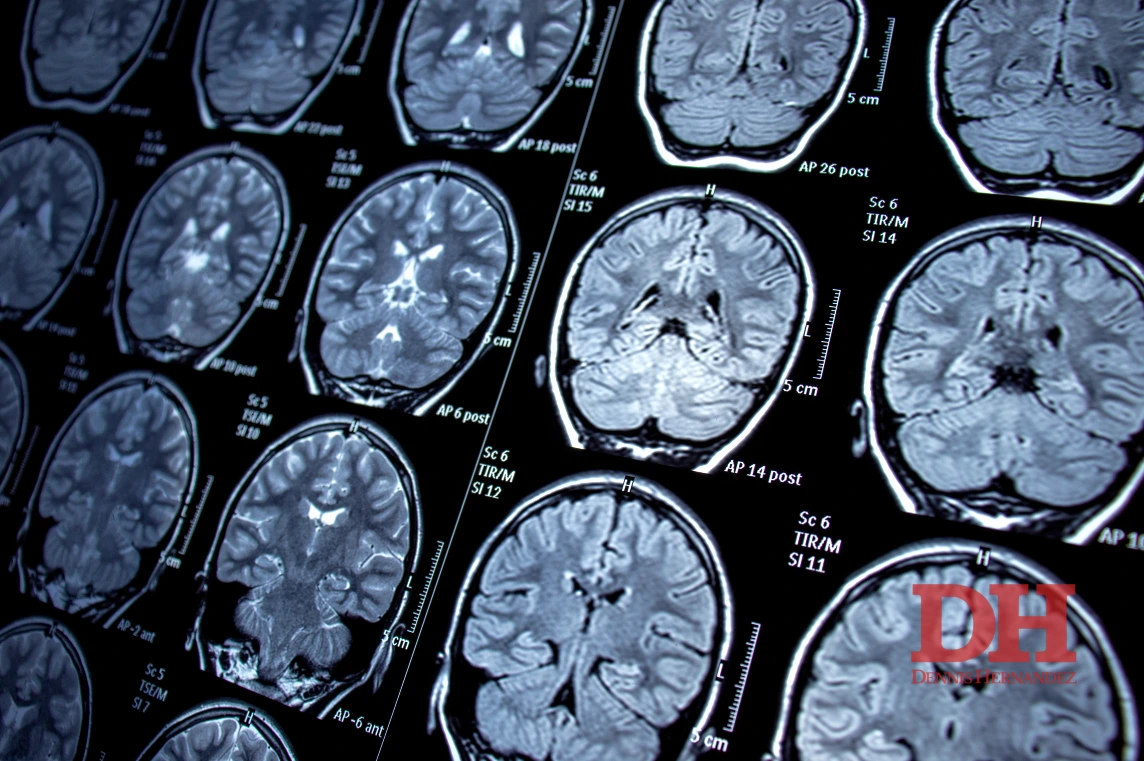
Magnetic Resonance Imaging (MRI) is a noninvasive imaging method that uses magnetic fields to produce detailed images of soft tissues, and it can be helpful for evaluating parts of the brain, spinal cord, and related structures, particularly when providers need more detail than standard X-ray imaging can offer.
CT scan
A CT scan, sometimes called a CAT scan, is a computer-assisted imaging process that creates cross-sectional images of the body, and it is often used early after head trauma because it can quickly identify certain urgent problems, such as bleeding, swelling, or fractures, while helping physicians decide whether emergency intervention is needed.
PET scan
Positron Emission Tomography (PET) uses a tracer to evaluate metabolic activity, which means it can provide information about how the brain is functioning in specific areas, and it is sometimes used when clinicians need deeper insight into functional changes that may not appear clearly on other imaging modalities.
EEG
Electroencephalography (EEG) measures electrical activity in the brain through electrodes placed on the scalp, and it can help evaluate certain neurological issues by recording brain wave patterns, particularly when physicians are assessing abnormal activity that may relate to seizure risk or other neurological complications.
Functional testing and everyday impact
In addition to imaging and electrical studies, providers often use functional testing to assess how the brain injury is affecting daily life, including evaluations of vision and eye movement, facial expression and reaction to stimuli, hearing, muscle control, personality changes, memory function, and attention capacity.
Treatment, rehabilitation, and recovery planning
Treatment depends on the type and severity of the injury, and many people need a mix of therapies that address physical symptoms, cognitive changes, and emotional impacts. A person may need physical therapy to improve balance and strength, occupational therapy to rebuild daily skills, speech therapy to support communication and processing, vestibular therapy for dizziness, and structured cognitive rehabilitation to address memory and attention challenges.
How a legal claim can support recovery and stability
Brain injuries often involve expensive care, and the costs can extend into the future through therapy, medication, assistive devices, and follow-up evaluations, while lost income and reduced earning capacity can create long-term financial strain. When negligence caused the injury, a legal claim may help recover compensation for medical expenses, wage loss, future treatment, and the life changes that follow a traumatic brain injury.
At Dennis Hernandez Injury Attorneys, we handle brain injury claims with the seriousness they require, because we know how much is at stake when your health, your livelihood, and your family’s stability are on the line. We have recovered millions and millions for clients, and we approach every case with a plan built on evidence, medical documentation, and careful damage analysis. We fight to get you paid!
What should you do next after a suspected brain injury?
If you or a loved one has suffered a head injury, the safest step is to get medical evaluation and follow recommended care, even when symptoms seem mild at first, because brain injuries can evolve and delayed symptoms are common. You should also avoid minimizing symptoms in conversations with insurers, because your early statements can be used later to dispute the seriousness of the injury, and you should preserve documentation, including medical records, symptom timelines, and any evidence about how the accident happened.
Recommended Reading
- Florida Statutes §627.736 – Personal Injury Protection (PIP)
- Florida Statutes §627.737 – Serious injury threshold
- Florida Statutes §768.81 – Comparative fault
- Florida Statutes §95.11 – Statute of limitations
- Florida Statutes §316.066 – Traffic crash reports
- Florida Highway Safety and Motor Vehicles Crash Statistics
- What Are the Biggest Claim-Killers After an Injury in Fort Myers?
- Which Insurance Applies If You Have an Out-of-State Policy and Are Involved in a Crash in Florida?
Legal Guidance in Minutes